
Three things to know
- A fistula, graft and catheter are different access options.
- Schedules are individualized and differ between center and home programs.
- Access symptoms and missed treatments deserve prompt communication.
How the treatment works
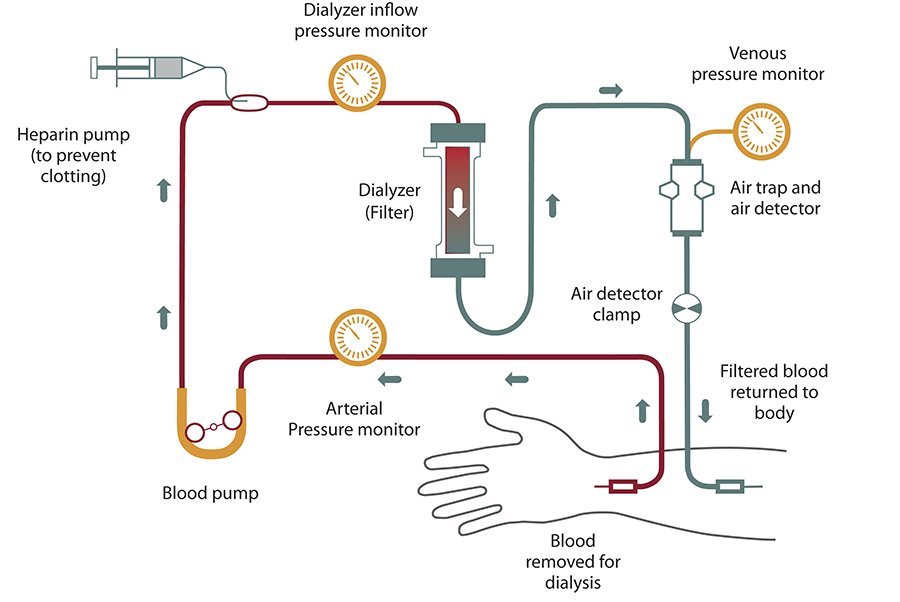
Blood travels through tubing to a dialyzer, where waste and extra fluid are removed, and then returns to your body. The machine monitors the treatment, but you should still tell staff about dizziness, chest discomfort, cramps or other symptoms.
Understanding vascular access
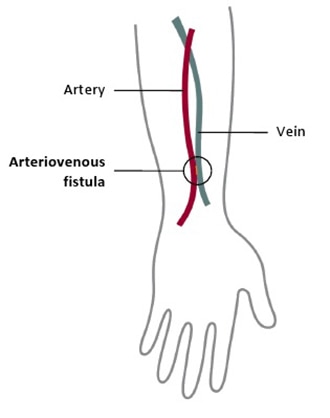
An arteriovenous fistula connects an artery and vein; a graft uses a connecting material. A catheter is a tube placed into a large vein. Each has benefits, risks and preparation needs. Access choice should reflect your overall care plan rather than a one-size-fits-all rule.
Three access types to discuss
Protecting your access
Your team will teach you how to check and care for your access. Follow instructions about blood-pressure cuffs, blood draws, cleanliness and handling. Report redness, warmth, drainage, swelling, pain or a change in the usual vibration of a fistula or graft promptly.
Living with the schedule
Many in-center programs use three treatments weekly, but prescriptions vary and home schedules may differ. Planning for transportation, work, meals and recovery can make the routine more manageable. Ask before missing or shortening treatment and discuss problems with your team rather than adjusting the prescription yourself.
Questions to bring to your visit
- Which access fits my care plan?
- What should I check each day?
- Who do I call after hours?
Common questions
Is a catheter the same as a fistula?
No. They differ in placement, use and risks. Your access team should explain your specific option.
Can a kidney consultation arrange immediate dialysis?
Urgent dialysis needs hospital assessment. Outpatient dialysis requires arrangements with a facility or home program.
Sources & further reading
- NIDDK: Hemodialysis (opens in a new tab)
- National Kidney Foundation: Home hemodialysis (opens in a new tab)
Education supports, and does not replace, individual care. Dialysis treatments and transplant evaluations are delivered through the appropriate dialysis programs and transplant centers. External resources do not imply endorsement of AspireMed.