
Three things to know
- Referral starts an evaluation; it does not guarantee listing or surgery.
- Living-donor and deceased-donor pathways differ.
- Anti-rejection medicines and continuing follow-up are essential.
When to discuss referral
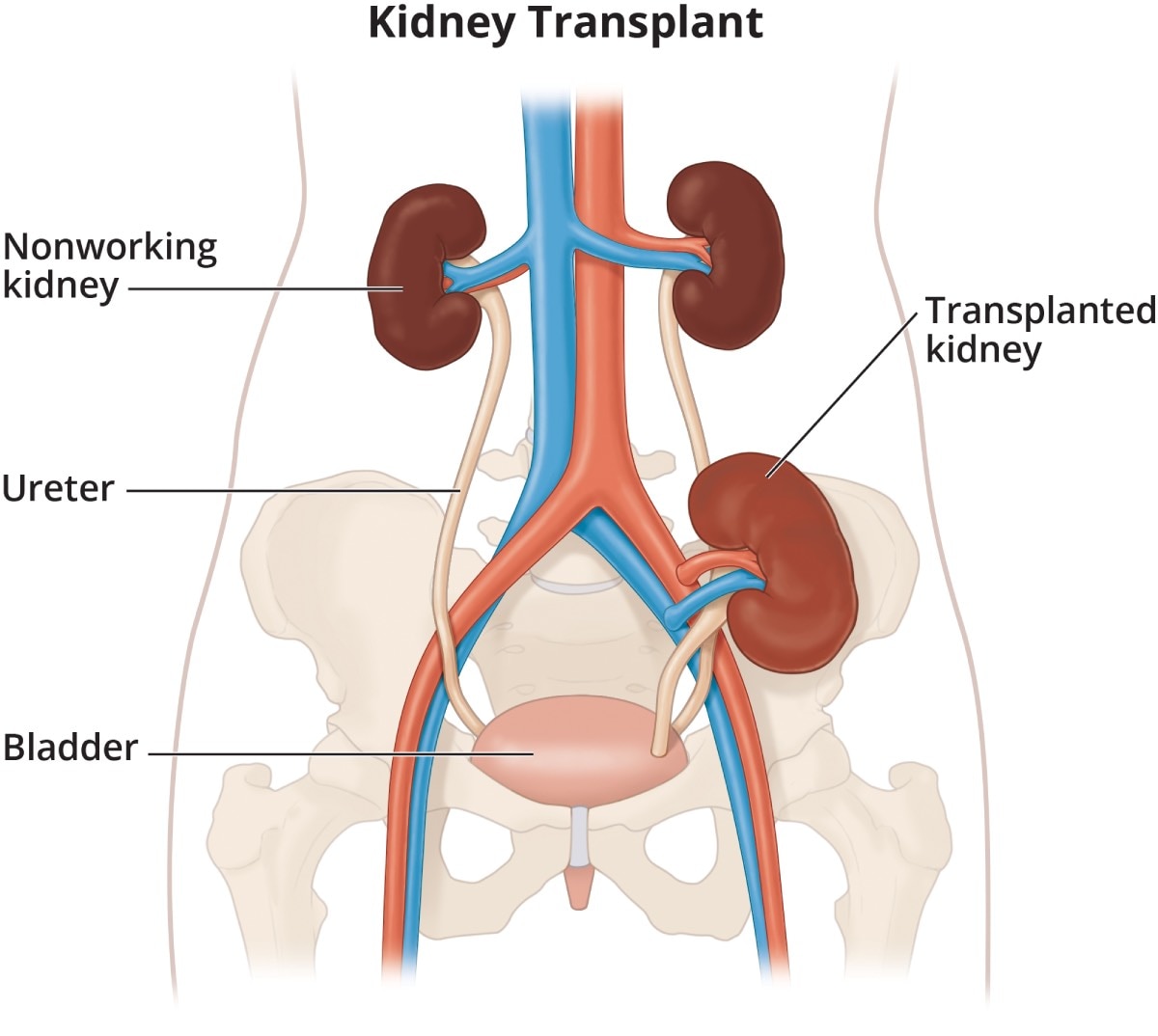
Transplant evaluation may begin before dialysis is needed for suitable patients. Your kidney team can discuss timing and refer you to a center. The center reviews overall health, testing, surgical risk and the ability to manage care after transplant.
Living and deceased donation
A living donor may be someone you know or an unrelated volunteer. Donors receive a separate medical and psychosocial assessment to protect their interests. A deceased-donor pathway involves eligibility and allocation processes. Waiting time and suitability vary, and neither route guarantees an immediate transplant.
The transplant pathway
Life after transplant
A transplant is a treatment rather than a cure. Recipients generally need ongoing anti-rejection medication, laboratory monitoring and attention to infection risk, blood pressure, diabetes and other health needs. Never change or stop transplant medicines without the transplant team's direction.
Coordinating care
The transplant center directs evaluation, surgery and transplant-specific management. Local nephrology and primary care may help coordinate ongoing needs in agreement with that team. Keep contact information, medication lists and follow-up instructions accessible and ask which team handles each concern.
Questions to bring to your visit
- When should I be referred?
- How can potential donors get independent information?
- Which team will manage each part of follow-up?
Common questions
Must I start dialysis before transplant evaluation?
Not always. Some eligible people can be evaluated, and sometimes transplanted, before dialysis.
Does AspireMed perform transplant surgery?
No. Evaluation and surgery take place through transplant centers. AspireMed education can help you prepare questions and coordinate appropriate referrals.
Sources & further reading
Education supports, and does not replace, individual care. Dialysis treatments and transplant evaluations are delivered through the appropriate dialysis programs and transplant centers. External resources do not imply endorsement of AspireMed.