
⌁
Measurement
Incorrect cuff size, positioning or timing may produce misleading readings.
Understand your numbers, recognize warning signs and learn when Internal Medicine and kidney expertise may help.
 Reviewed by Kashif Abad, MD, MBA, FACP
Call 911 if your blood pressure is higher than 180/120 mm Hg and you have chest pain, shortness of breath, weakness, numbness, difficulty speaking, a significant vision change, severe back pain, confusion or another concerning new symptom.
The upper number is systolic pressure; the lower number is diastolic pressure. These categories apply to most nonpregnant adults, but diagnosis and treatment decisions require clinical context.
A single high reading does not necessarily establish hypertension. Repeated measurements, technique, home readings, medical history and cardiovascular and kidney risk all matter.
Difficult-to-control blood pressure is a practical description, not a diagnosis by itself. Focused evaluation may help when several conditions overlap.
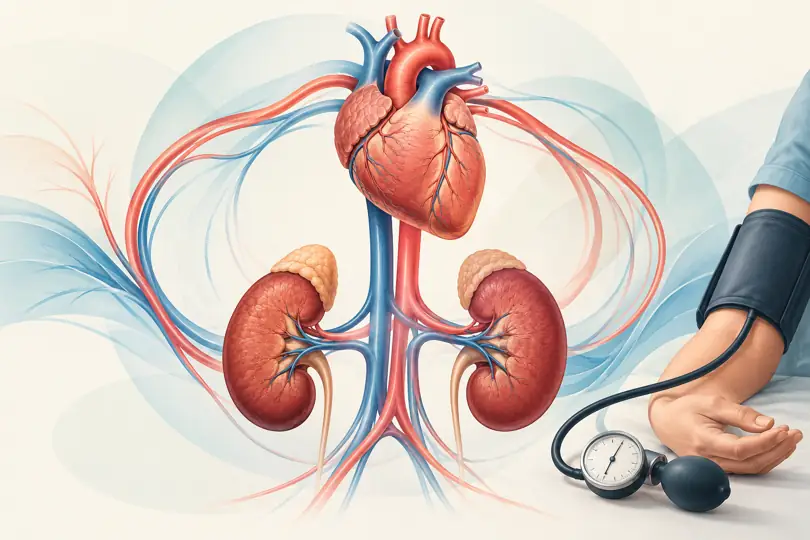
Blood pressure, cardiovascular health and kidney function are closely connected.
Before diagnosing true resistant hypertension, clinicians look for measurement problems, medication issues and medical conditions that may be contributing.
Incorrect cuff size, positioning or timing may produce misleading readings.
Doses, timing, side effects, cost and interactions can affect control.
Some pain medicines, decongestants, stimulants, steroids and supplements can raise pressure.
Obstructive sleep apnea and inadequate sleep may contribute.
Kidney disease, sodium retention and fluid balance influence blood pressure.
Selected patients may need evaluation of hormones, blood vessels, thyroid or other conditions.
A reliable home record can help distinguish persistent hypertension from temporary, white-coat or masked patterns.
Do not stop or change prescribed blood-pressure medication without individualized medical guidance.
Not necessarily. The medication combination, doses, measurement accuracy, adherence, home readings and possible contributing factors should be reviewed before true resistant hypertension is established.
Some nonsteroidal anti-inflammatory drugs may raise blood pressure, promote fluid retention or affect kidney function in susceptible patients. Medication safety should be reviewed individually.
Stress and anxiety may temporarily increase blood pressure, but persistent hypertension should not automatically be attributed to stress.
Telehealth can help review home readings, medications, side effects and laboratory trends. An in-person examination, testing, urgent evaluation or emergency care may still be recommended.
No. AspireMed accepts adults age 18 and older directly for difficult-to-control blood-pressure, Internal Medicine and kidney consultations.
Kashif Abad, MD, MBA, FACP is a dual specialist in Internal Medicine and Nephrology. Telehealth is available for adults physically located in Florida or New Mexico when clinically appropriate, with in-person care in Tamarac, Florida.
General educational information only. This page does not establish a physician-patient relationship or replace individualized diagnosis or treatment. Call 911 for a medical emergency.